Cognitive Wellness
What I Learned After 8 Years of Watching Memory Fade — and Finding Hope
A personal journey through caregiving, a surprising diagnosis, and the daily routine that changed everything for my family.
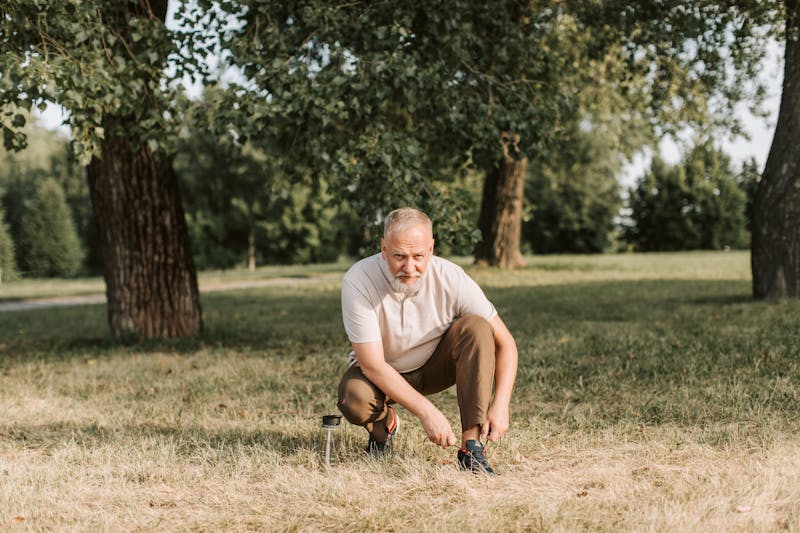
A personal journey through caregiving, a surprising diagnosis, and the daily routine that changed everything for my family.
What you eat matters for cognitive function
Research consistently shows that diet plays a crucial role in brain health. The foods we eat can either protect our brains or contribute to cognitive decline.
The MIND diet, developed specifically for brain health, combines elements of the Mediterranean and DASH diets and has been associated with slower cognitive decline.

Include these in your diet for cognitive support

Rich in omega-3 fatty acids (DHA), essential for brain cell structure and communication.
Omega-3 Rich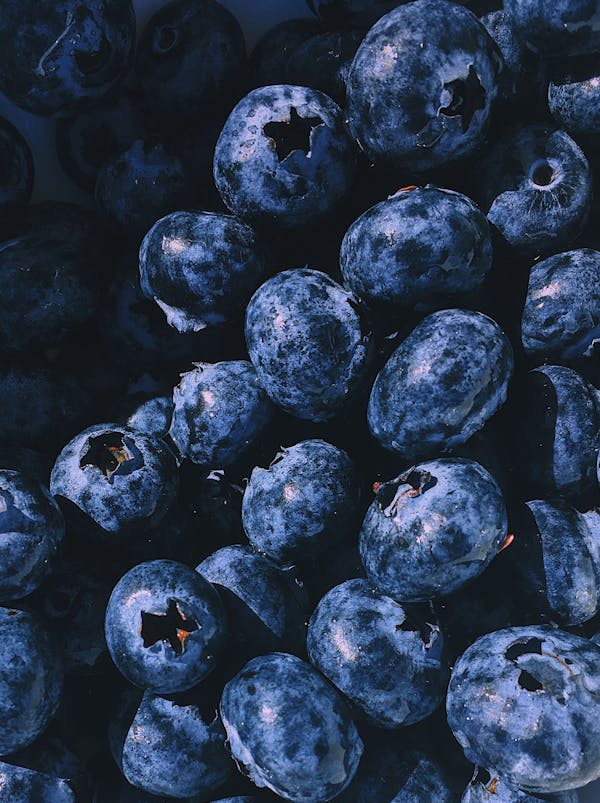
Packed with anthocyanins and antioxidants that help protect brain cells from oxidative stress.
Antioxidant Power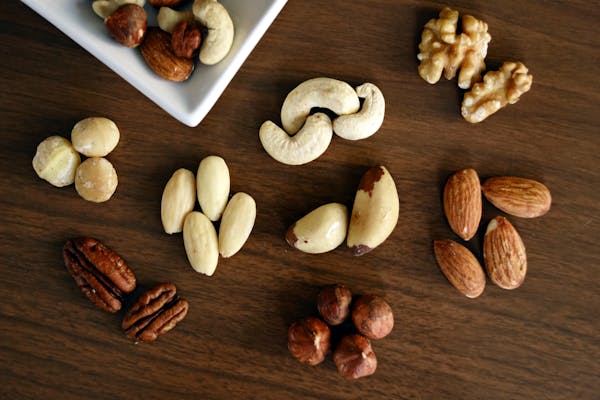
High in alpha-linolenic acid (ALA) and vitamin E, both important for brain health.
Brain Superfood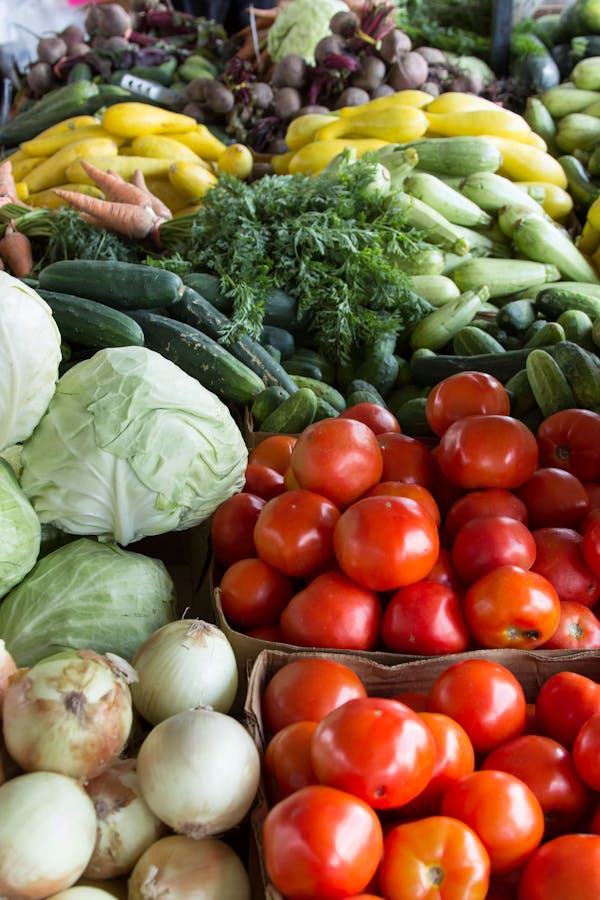
Spinach, kale, and broccoli are rich in vitamin K, folate, and lutein for brain protection.
Vitamin Rich
Caffeine and L-theanine support alertness and may have protective effects on the brain.
Mental Focus
Contains flavonoids that may improve blood flow to the brain and support memory.
Flavonoid Rich
Excellent source of choline, essential for acetylcholine production — important for memory.
Choline Source
Contains polyphenols that may help reduce inflammation. A key part of the Mediterranean diet.
Anti-inflammatory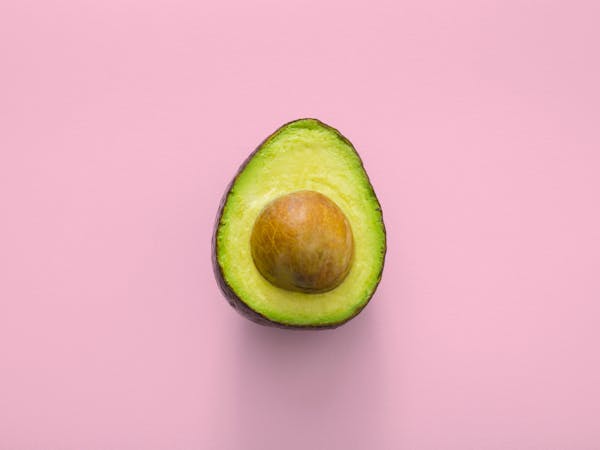
Rich in monounsaturated fats and lutein, which may support healthy blood flow to the brain.
Healthy Fats
High in vitamin C, a powerful antioxidant that may help protect brain cells.
Vitamin C
Excellent source of vitamin B6, which supports the production of serotonin and dopamine — neurotransmitters essential for memory, focus, and mood.
Mood & Memory
Rich in flavonoids and phenolic acids with neuroprotective and antioxidant properties that help shield brain cells from oxidative stress and support long-term cognitive health.
NeuroprotectiveConsider limiting these in your diet
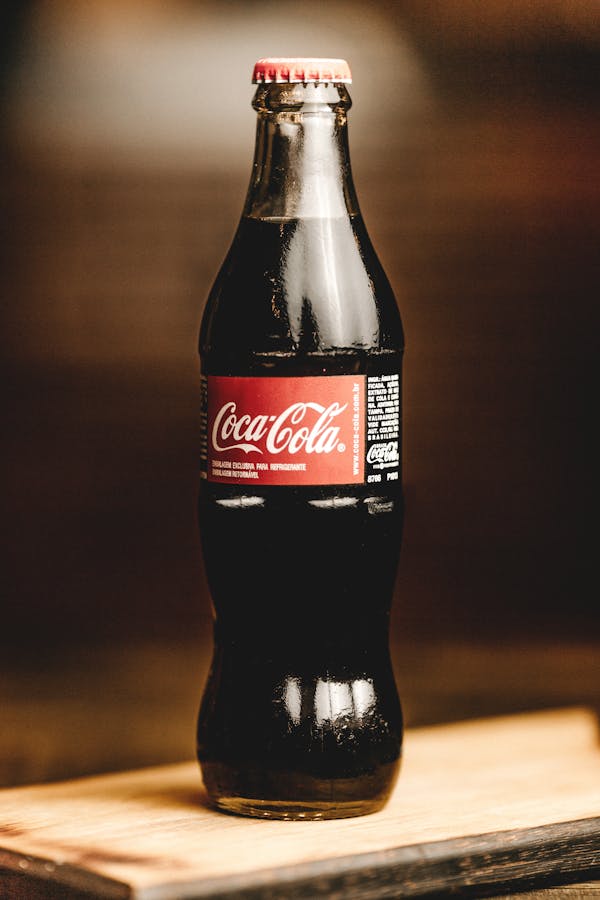
High sugar consumption has been linked to memory problems and reduced brain volume in studies.
High Risk
May cause inflammation and oxidative stress that can affect blood vessels supplying the brain.
Inflammation
Research has linked regular processed meat consumption to cognitive decline in older adults.
Limit Intake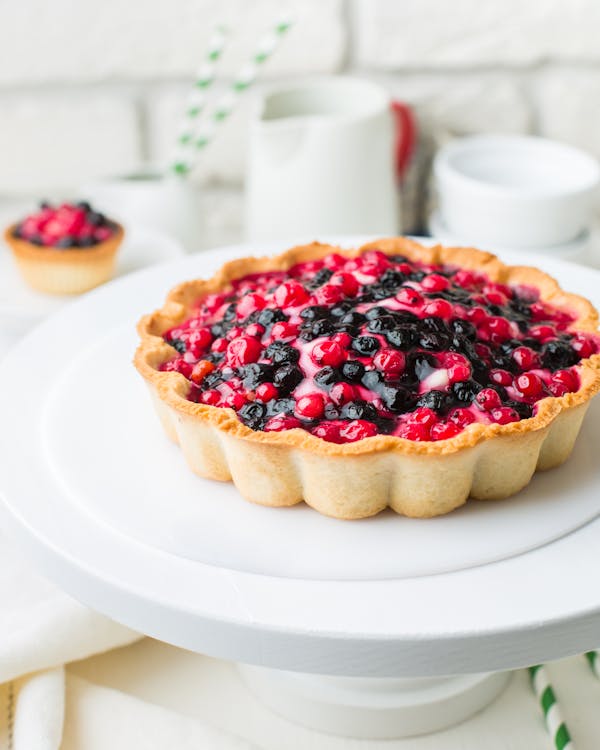
Blood sugar spikes and crashes can affect concentration and may impact long-term brain health.
Blood Sugar Impact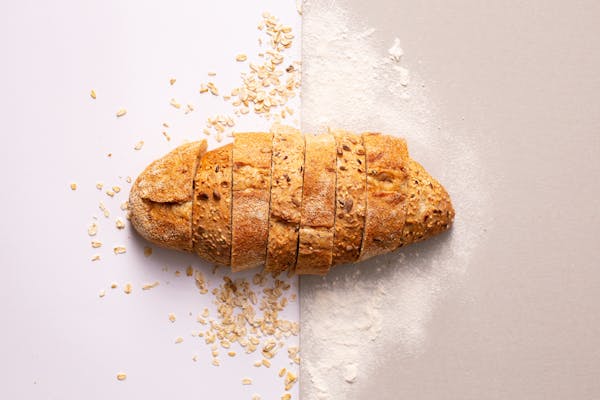
White bread and processed grains may affect blood sugar regulation and brain function over time.
Glycemic Impact
Heavy drinking is associated with brain shrinkage and memory impairment over time.
NeurotoxicIn recent years, researchers have been exploring how certain everyday foods and habits may be linked to cognitive performance over time. Common items such as highly processed foods, refined breakfast cereals, sugar-heavy products, as well as regular alcohol consumption, have been mentioned in various discussions around potential impacts on memory.
Beyond diet, factors like irregular sleep, excessive screen time, and elevated stress levels are also being examined in this context. Overall, cognitive health tends to be influenced by a combination of habits rather than any single factor alone, highlighting the importance of looking at daily routines as a whole.
Time-tested botanical compounds studied for cognitive support
Rich in flavonoids and phenolic acids with neuroprotective and antioxidant properties.
Improves cerebral blood flow and protects against neuronal oxidative stress.
Ayurvedic herb known for enhancing memory and reducing anxiety.
Adaptogen that increases stress resistance and improves cognitive function.
Reduces cortisol levels and enhances memory and executive function.
Potent anti-inflammatory compound that crosses the blood-brain barrier.
Polyphenol that protects brain cells and improves cerebral blood flow.
Mushroom that stimulates nerve growth factor (NGF) production.
The path from struggle to hope
Six years of caring for my mom at home. Exhausting, but we managed — until it became too much.
Made the difficult decision to move her. Witnessed concerning incidents that made me search for alternatives.
Moved mom to a better place. Around this time, I started noticing my own memory issues. Doctor confirmed mild memory loss.
One desperate night of searching led me to find a simple 30-second routine. Skeptical, but willing to try anything.
Both my mom and I practice the routine daily. I've reconnected with my family, and our moments together are more precious than ever.
Simple lifestyle changes that support cognitive function

During sleep, your brain clears toxins and consolidates memories. Poor sleep is linked to cognitive decline.
Just 30 minutes of moderate exercise increases blood flow to the brain and promotes new neural connections.

Learning new skills, reading, puzzles, and games challenge your brain and build cognitive reserve.

Regular social interaction reduces stress while keeping your mind engaged and active.

Chronic stress damages the hippocampus. Meditation, deep breathing, and relaxation techniques help protect it.

Even mild dehydration affects concentration and memory. Aim for 8 glasses of water daily.
After everything I went through, I finally found a supplement that combines the most researched natural ingredients into one simple daily routine.
See the options below — with a 60-day satisfaction guarantee.
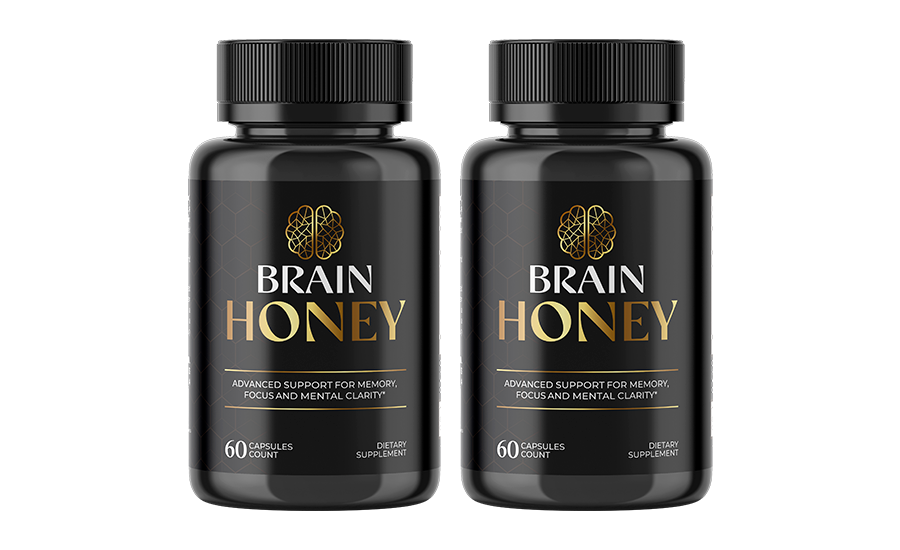

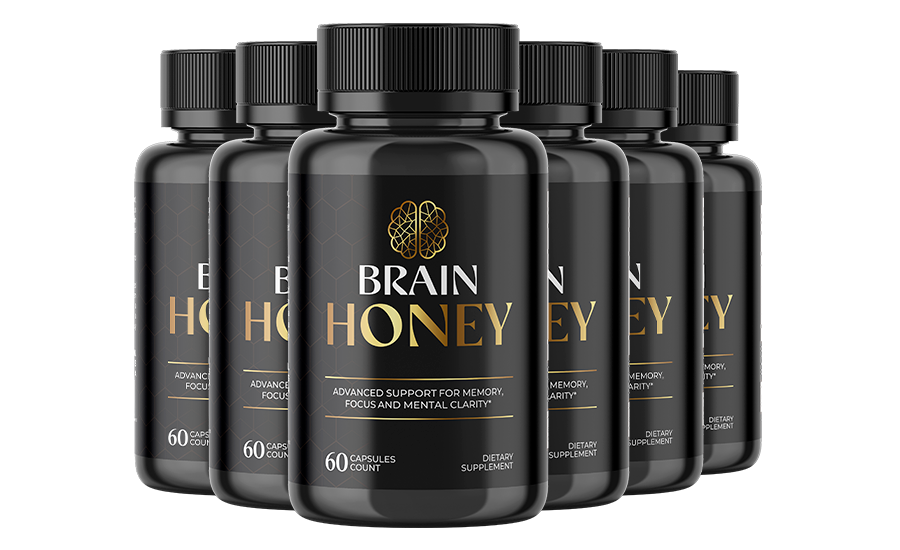

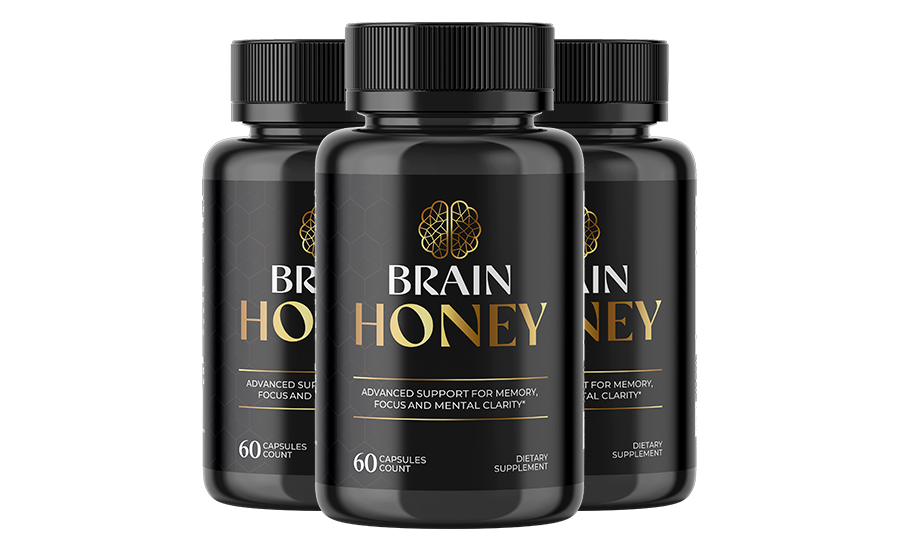
🔒 60-Day Money-Back Guarantee — If you're not completely satisfied, contact us within 60 days for a full refund. No questions asked.
FDA Compliance: The information on this website has not been evaluated by the Food & Drug Administration or any other medical body. We do not aim to diagnose, treat, cure or prevent any illness or disease. Information is shared for educational purposes only. You should always consult your doctor before acting on any content on this website, especially if you are pregnant, nursing, taking medication or have a medical condition. *Individual Results May Vary And Are Not Guaranteed*